Tripiti
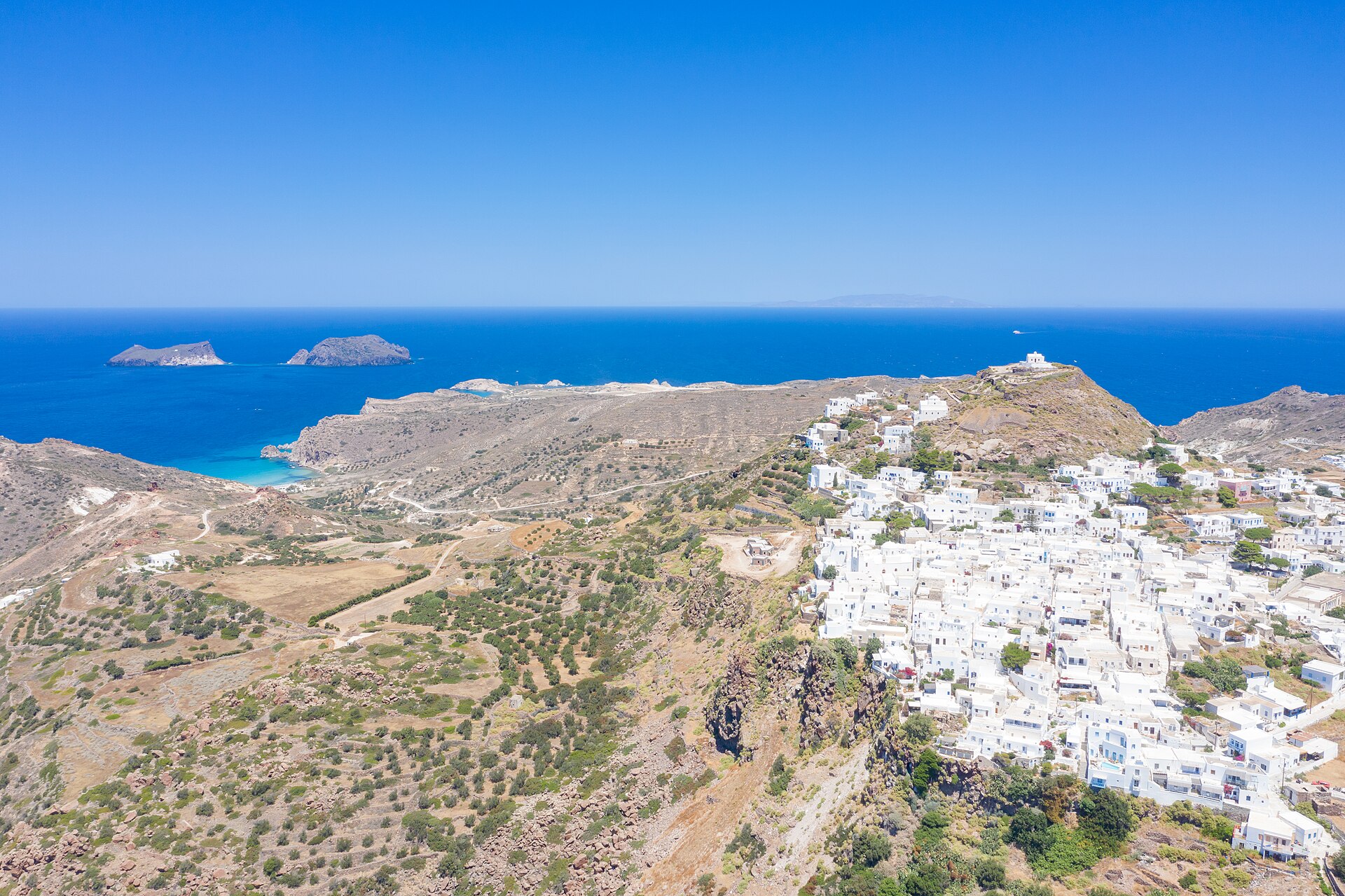
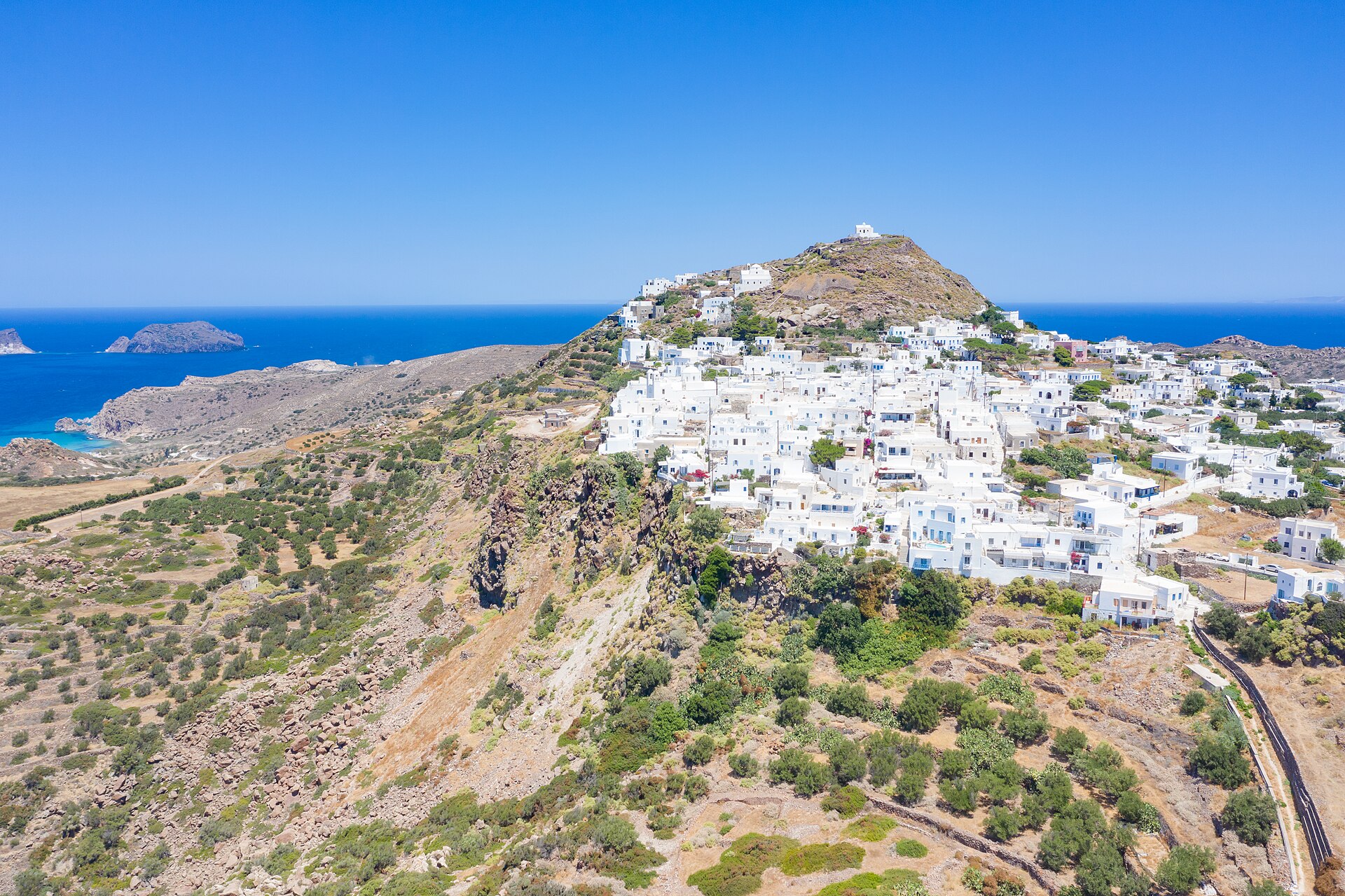
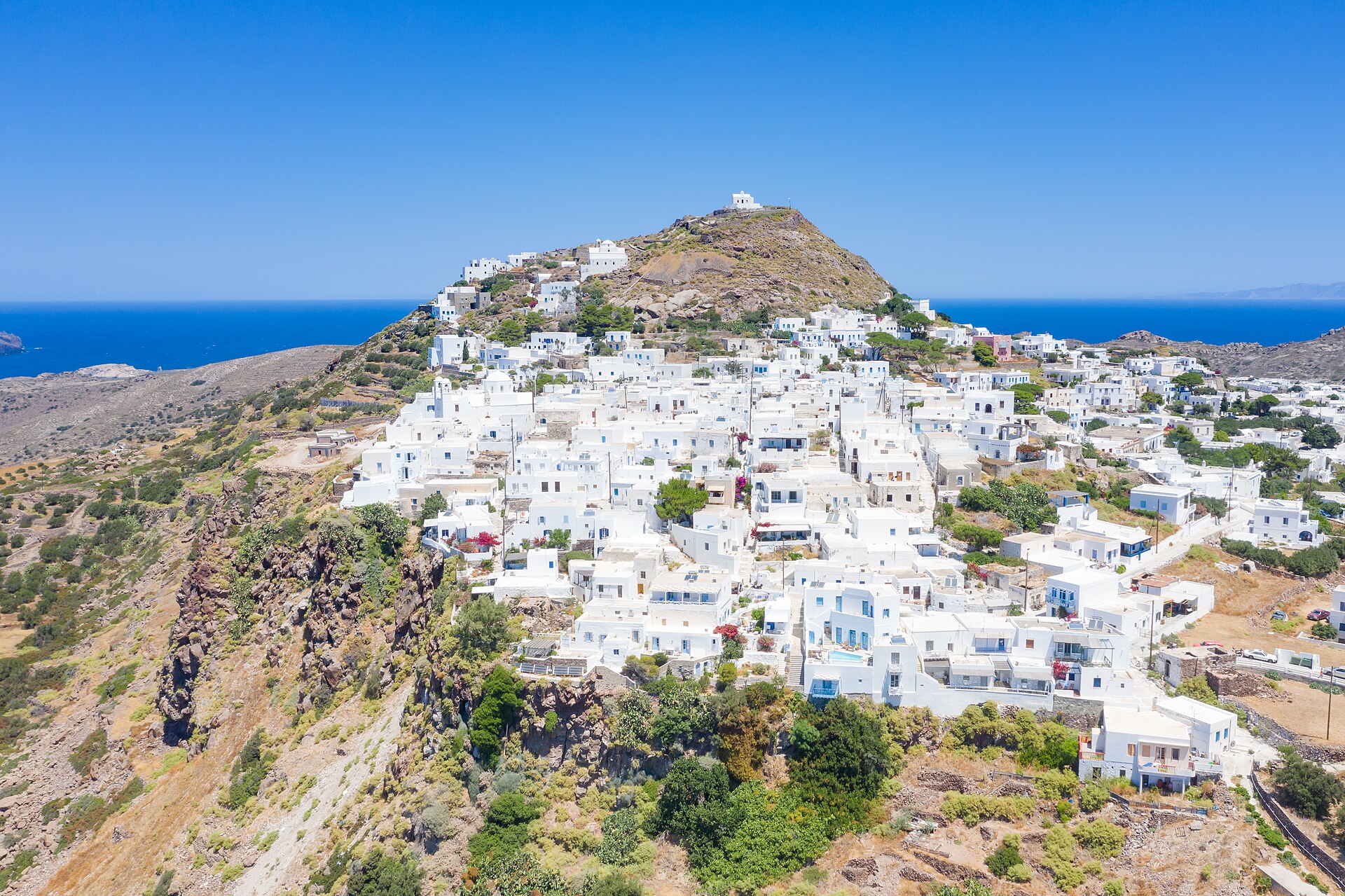
Perched on a volcanic ridge overlooking the deep blue of the Gulf of Milos, the village of Tripiti presents itself as a natural ba...
Updated 7 July 2026
This season · July · Summer
What to do in Tripiti now
The story
The story of Tripiti
A crossroads of civilizations: the history of Tripiti
The history of Tripiti is inextricably linked to that of the ancient city of Melos, which stood precisely on these fertile and strategic hills. Originally founded by the Dorians around the 9th century B.C., the city became a flourishing center thanks to its commanding position over the island's natural harbor. During the classical era, Melos attempted to maintain a difficult neutrality in the wars between Athens and Sparta, paying the highest price with the siege and destruction inflicted by the Athenians in 416 B.C. With the advent of the Romans, the settlement experienced a new season of architectural splendor, still visible today in the monumental structures emerging from the ground. The decline of the ancient city led to the birth of the medieval and modern village of Tripiti, constructed by often reusing materials from the past, in a historical continuum that makes every corner of the village a small open-air museum.
The Catacombs of Milos: the underground heart
A short distance from the inhabited center lies one of the Mediterranean's most significant Early Christian monuments: the Catacombs. Carved into soft volcanic tuff between the 1st and 5th centuries A.D., these underground galleries served both as a clandestine place of worship and as a necropolis for the island's early Christian communities. The complex extends for approximately 184 meters across three main corridors, where one can observe the arcosolia, that is, the sepulchral niches carved into the walls, some of which still preserve traces of inscriptions and pictorial decorations. The atmosphere breathed in the silence of these tunnels is dense with spirituality and history, testifying to the resilience of a faith that found refuge in the very belly of Greek earth.
The Ancient Theater: harmony between marble and sea
Descending toward the sea from the heart of Tripiti, one encounters the impressive tiers of the Ancient Theater. Originally built in the Hellenistic era and later rebuilt in Parian marble during the Roman period, this theater is one of the best-preserved examples in the Cyclades. Its cavea, facing south, offers a breathtaking view of the gulf, allowing yesterday's and today's spectators to enjoy a perfect union of dramatic art and natural beauty. Although only part of the original structure is visible today, its extraordinary acoustics and the quality of surviving architectural decorations speak of a cultured and refined community that considered the theater the fulcrum of social and religious life.
The site of the discovery of the Venus of Milos
Not far from the theater, a modest sign marks a site of worldwide importance: the field where in 1820 a local farmer named Yorgos Kentrotas fortuitously discovered the famous Venus of Milos. The statue of Aphrodite, a masterpiece of Hellenistic art, had remained buried for centuries in a niche of the city's gymnasium. Although the original shines today in the halls of the Louvre in Paris, standing at the exact point of discovery evokes profound reflection on the contingency of history and the invaluable heritage that Tripiti's soil has preserved. It is a place of silent pilgrimage for art lovers, where imagination races to that April day that forever changed the history of archaeology.
The Church of Agios Nikolaos: sentinel of the village
At the center of the village stands the church of Agios Nikolaos, built in 1880. This sacred edifice is not only the religious focal point for the community, but a remarkable example of neoclassical architecture adapted to the island context. Its white facade, clean lines, and imposing entrance stairway make it a favored photographic subject, especially when late afternoon light accentuates its volumes. Inside, the church preserves precious icons and an atmosphere of collected devotion. The church's forecourt serves as the main square, where during festivities residents gather, keeping centuries-old traditions alive in a context of sober Cycladic elegance.
The Windmills: icons on the ridge
The horizon of Tripiti is characterized by a row of ancient windmills towering on the hill's highest part. Once essential tools for the island's agricultural economy, used to grind grain harnessing constant coastal winds, today many have been skillfully restored and transformed into charming residences or unique lodging facilities. These giants of white stone with conical straw roofs represent the Cyclades' industrial archaeology and offer one of Milos's most iconic vistas. At sunset, their silhouettes stand out against the flaming sky, recalling a past when humans lived in symbiosis with the forces of nature.
The village of Klima and surroundings
At the foot of the hill on which Tripiti stands lies Klima, the island's most photogenic fishing village. It is easily reached by a downhill walk through the archaeological area. Klima is famous for its 'syrmata', the typical fishermen's houses carved into the rock with doors and windows painted in vivid colors (red, blue, yellow), whose ground floors originally served to store boats during winter. The contrast between Tripiti's white and Klima's chromatic explosion, combined with proximity to the capital Plaka, makes this area the beating heart of Milos's cultural identity, where rural and maritime life merge harmoniously.
Landscape and Nature: the breathing rock
The landscape around Tripiti is dominated by the island's volcanic nature. The white rock, shaped by erosion and human activity, creates a harsh yet fascinating terrain, dotted with olives and Mediterranean scrub. The site's geological particularity has enabled the creation of caves and shelters that gave the village its name. From Tripiti's heights, the gaze spans the entire Gulf of Milos, allowing one to glimpse the rocky formations of the coast and the harbor's entrance. It is an environment that invites slow exploration, on foot, along paths connecting the various historical sites, where the scent of wild thyme mingles with the sea breeze.
Flavors and folk traditions
The gastronomic culture of Tripiti reflects the wealth of volcanic soil. Here it is essential to taste the 'pitarakia', small fried pastries filled with local spicy cheese and aromatic herbs, and the 'karpouzopita', a unique sweet cake based on watermelon, honey, and sesame. The village's tavernas, often positioned with panoramic views, offer dishes following the cycle of seasons. Folk traditions are still deeply felt, especially during 'panigiria' (religious festivals), where violin and lute music accompanies group dances and collective feasts, offering visitors an authentic glimpse of Greek sociability, far from mass tourism circuits.
Experiences not to be missed in Tripiti
- Admire the sunset from the windmills for a 360-degree view of the archipelago.
- Walk the path descending from the Catacombs to the maritime village of Klima.
- Dine in one of the village's historic tavernas tasting the 'mizithra' cheese.
- Visit the Ancient Theater during cooler hours to enjoy the place's solitude.
- Get lost among the upper village's alleyways discovering small flowered courtyards and spontaneous architecture.
When to go and how to experience the place
Tripiti is a destination that reveals its best during spring and early autumn. In May and June, nature is in bloom and temperatures are ideal for archaeological exploration, while September offers golden light and still-warm sea. During peak summer, the village is crowded at sunset but retains a tranquil atmosphere during the day. To fully experience Tripiti, the advice is to stay in one of the traditional houses or a restored mill, allowing yourself the luxury of waking to a view of the gulf and exploring historical sites before the arrival of daily tourist flows. It is a place requiring comfortable shoes and the desire to let curiosity guide you.
FAQ
È facile parcheggiare a Tripiti?
Quanto tempo serve per visitare le Catacombe e il Teatro?
Tripiti è adatta alle famiglie con bambini?
Si può raggiungere Tripiti con i mezzi pubblici?
Qual è il momento migliore per fotografare il villaggio?
Getting there
- Aeroporto di Milos (MLO) - 5 km
- Non presenti sull'isola
- Dal porto di Adamas, seguire le indicazioni per Plaka/Tripiti (circa 10 minuti in auto).
- Noleggiare uno scooter o una piccola auto è il modo migliore per muoversi in autonomia tra Tripiti e le spiagge vicine.
Perfect for
Un sito fondamentale per comprendere la transizione dal mondo ellenistico a quello paleocristiano.
Offre alcuni dei punti di osservazione più spettacolari di tutte le Cicladi sul mar Egeo.
Eccellente offerta di taverne tradizionali che servono specialità autentiche di Milos.
To see