Dhrios
Δρυός, in ancient Greek 'the place of the oak trees': it is from this name, which has survived almost intact through the millennia...
Updated 8 July 2026
This season · July · Summer
What to do in Dhrios now
The story
The story of Dhrios
From oak to pine: the origins of a name
The place name Dhrios comes from the ancient Greek drys, meaning oak, and tells of a vegetation that over the centuries has almost disappeared, replaced by the Mediterranean pine forest that now characterises the coastline. The area occupies the southeastern strip of Paros, where the coast dips into a succession of sandy coves sheltered from the meltemi thanks to its southward orientation. Since antiquity the area was terraced for the cultivation of olives, vines and cereals, a subsistence agriculture that shaped the slopes with the typical Cycladic dry-stone walls, still visible along the paths that climb towards the hinterland. The name has remained tied to the village even as, with the beach tourism of the later twentieth century, the place's calling changed radically.
Cyclades between Bronze Age civilisation, marble and foreign rule
Paros was inhabited from the 3rd millennium BC by the Cycladic civilisation, which on this island found one of its most refined expressions thanks to the availability of prized marble. In the archaic and classical periods the city-state of Paros became powerful and wealthy precisely through the export of stone, to the point of founding colonies such as Thasos and entering, at times in conflict, the Athenian orbit during the Delian League. Roman rule followed, then the long Byzantine interlude, and from 1207 annexation to the Duchy of Naxos created by the Venetian Marco Sanudo, which marked centuries of Latin presence in the Cyclades. With the Ottoman conquest of 1537 the island passed under Turkish control, retaining nonetheless a certain administrative autonomy, until it joined the new Greek state after the war of independence of the 1820s and the treaty of 1832.
The landscape: pine forest, dunes and low-lying coasts
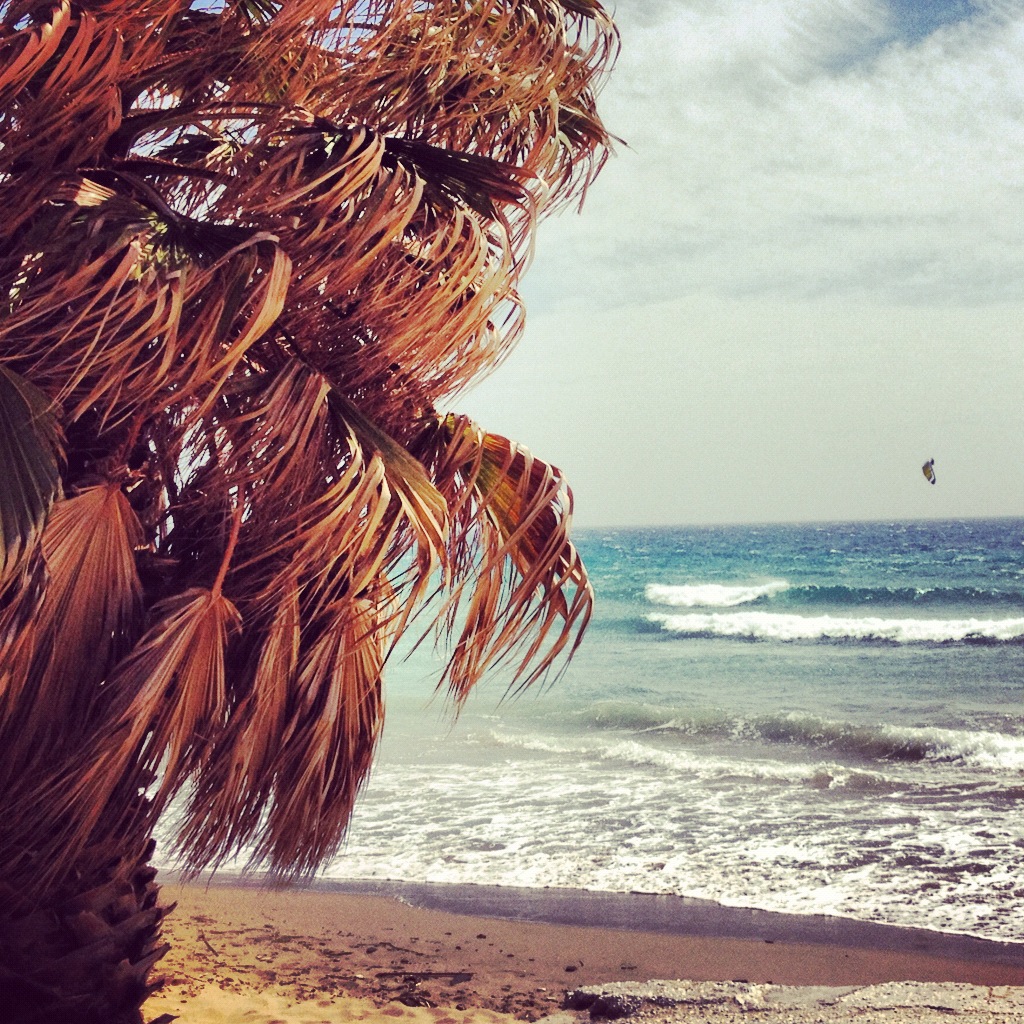
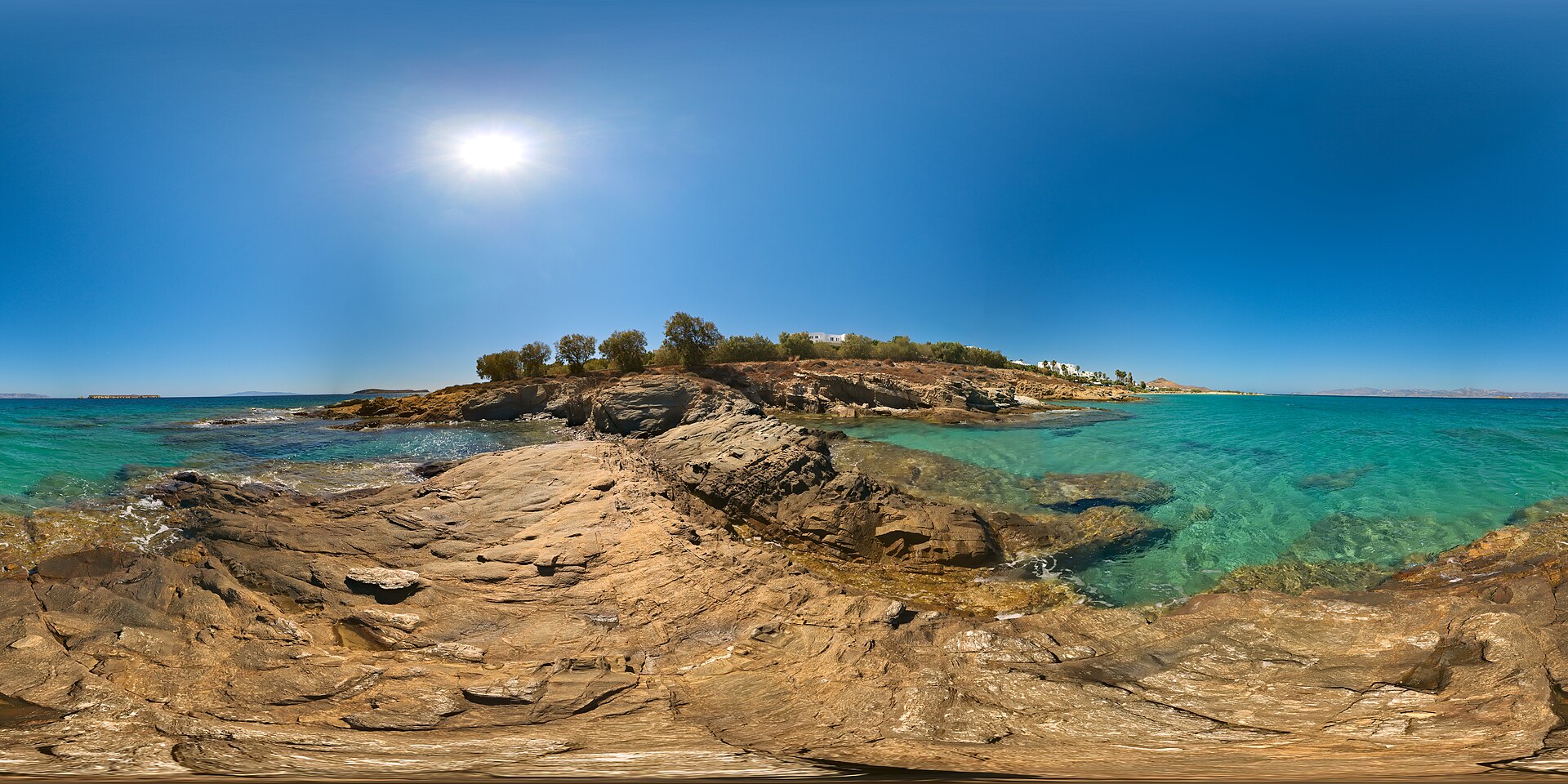
The stretch of coast around Dhrios alternates golden sandy beaches with small rocky headlands covered in Mediterranean scrub, in a succession of inlets that makes the area ideal for those seeking less crowded coves. The pine forest that lines the main beach is not a scenic whim but a concrete asset: it shelters from the wind, offers shade in the hottest hours and creates a pleasant microclimate even in the height of summer. Behind the coast, the landscape rises into gentle terraced hills, dotted with windmills, small white chapels and vineyards that still produce distinctive local wines today. The clear, crisp Cycladic light heightens the contrast between the blue of the Aegean and the white of the limestone.
Dhrios beach
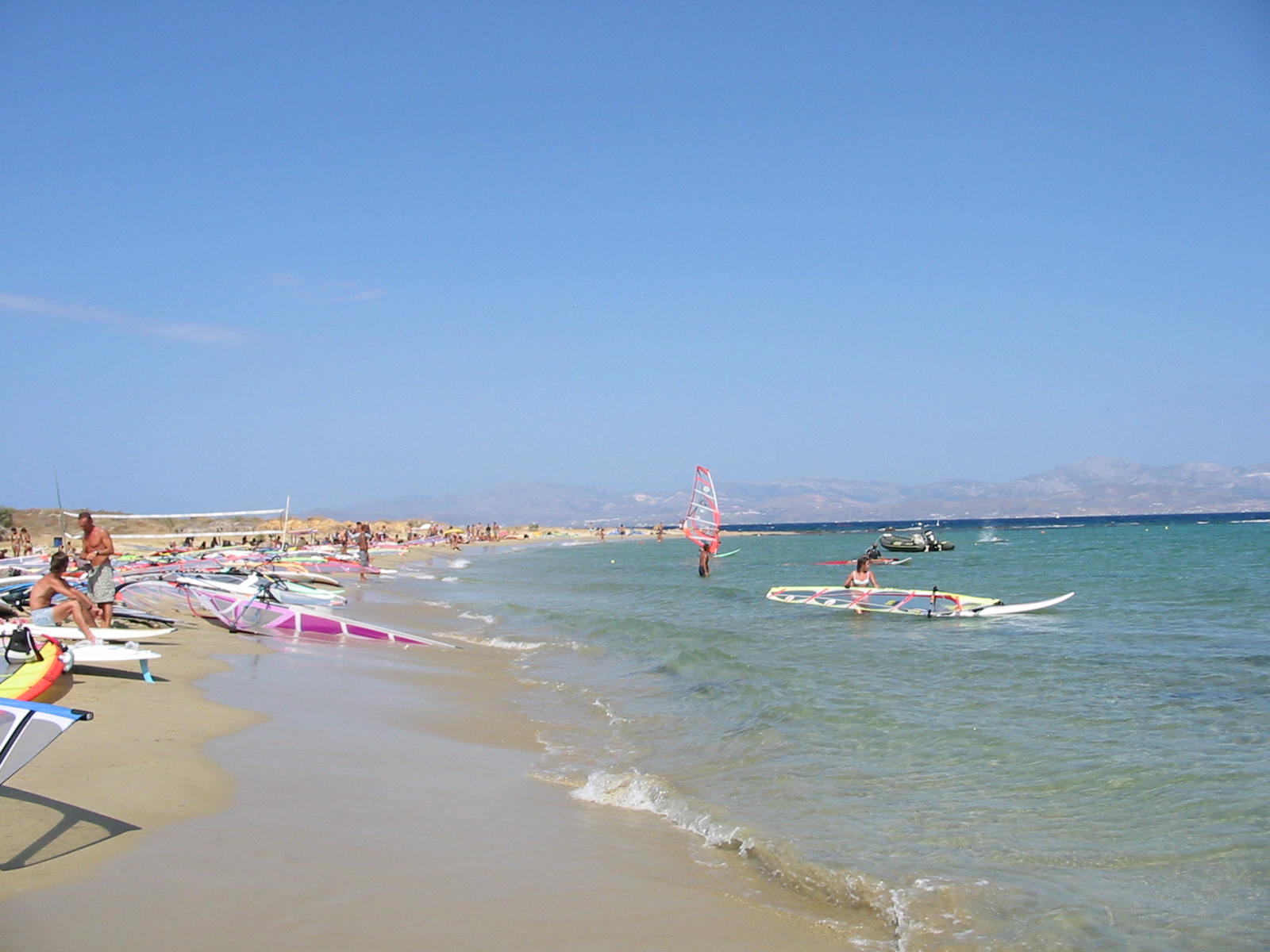
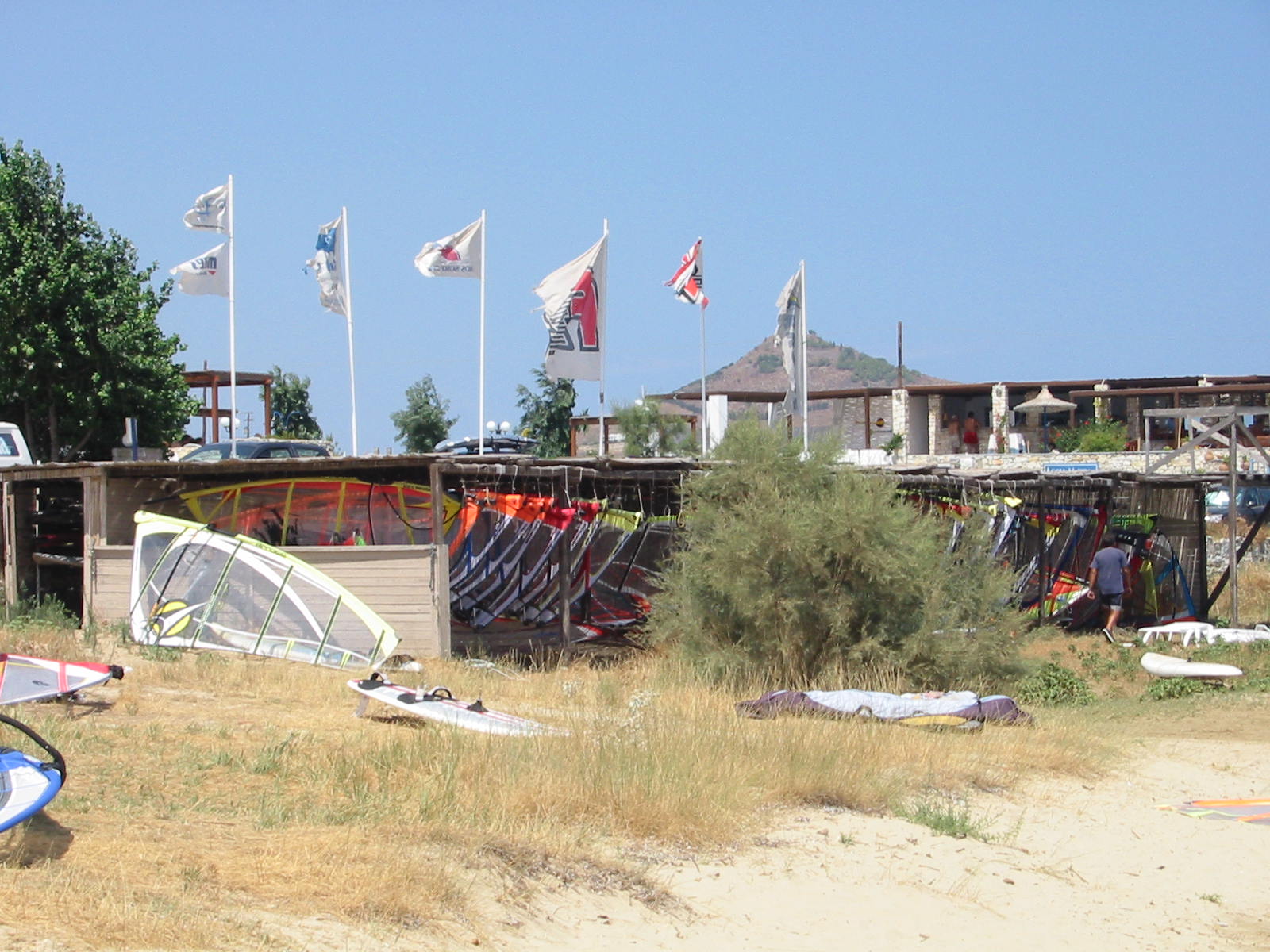
Dhrios beach is considered one of the most beautiful and regular in Paros: almost a kilometre of fine sand, shallow, clear waters that shelve gently, perfect for families with small children. The pine forest that lines it offers natural shade just steps from the water, a welcome alternative to towels spread under the scorching sun of July and August. For decades the southern stretch of the shore was the informal destination of free campers and hikers seeking a more direct contact with nature, a tradition that is now regulated but still perceptible in the relaxed atmosphere of the place. The shallow seabed and good exposure to the northern winds also attract windsurfing and kitesurfing enthusiasts during the peak summer months.
Aliki, the fishermen's harbour
A few minutes from Dhrios, the village of Aliki retains the soul of a small fishing harbour, with colourful boats moored along the quay and taverns that every evening serve the day's catch. The name comes from the ancient salt pans that once occupied the marshy area behind it, today largely drained. Aliki is also the most convenient gateway to the area, lying a very short distance from the island's airport, which makes it a practical as well as picturesque landmark. The small ethnographic museum set up in an old village house tells of the farming and seafaring life of Paros before tourism, with traditional clothing, work tools and reconstructions of Cycladic domestic interiors.
Marpissa and the windmills
Climbing from the hinterland one comes to Marpissa, one of the most authentic and least touristy villages on Paros, built amphitheatre-style on a slope with narrow alleys designed to protect against the wind and the eyes of pirates. The windmills, some restored and still with their fabric sails, mark the village's profile and recall the agricultural economy that for centuries ground the grain of the surrounding countryside. A little above the settlement, on the hill of Kefalos, stands the fortified monastery of Agios Antonios, today largely in ruins but with a view sweeping across the island's entire southeastern coast as far as Antiparos: a place of quiet contemplation, reachable with a short walk.
Lefkes, the ancient hilltop capital
Perched at around 250 metres above sea level, Lefkes was for centuries the capital of Paros: its inland position, far from the coast and from the landings of Ottoman and Barbary raiders, guaranteed a security that the maritime villages could not offer. The village retains a typically Cycladic urban layout, with streets paved in white marble, arches, inner courtyards and the great Church of the Holy Trinity that dominates the main square. From Lefkes also begins the most beautiful and best-preserved stretch of the ancient Byzantine path that linked the inland villages, a stone-paved route that crosses olive groves and small chapels as far as Prodromos and Marpissa, today walkable in a couple of hours.
Parian marble, the material that shaped art history
Parian marble, in particular the translucent variety known as lychnites, was for centuries among the most sought-after materials in the Mediterranean: sculptors used it for works that entered the history of art, from the Venus de Milo to the Hermes attributed to Praxiteles, to the Winged Victory of Samothrace. The ancient quarries, in particular the underground ones at Marathi, were worked with galleries dug into the rock as early as classical times and remained active until the nineteenth century; today they can be visited as an industrial archaeological site, with entrances that open like caves into the hillside. The nearby village of Marmara, whose name literally means marble, still recalls in its built fabric this centuries-old vocation for stoneworking.
Food and popular traditions
The cuisine of this part of Paros reflects an economy that is at once rural and maritime: louza, pork marinated in wine and spices then air-dried, is a typical cured meat best enjoyed thinly sliced; xinotyri and xinomizithra are tangy goat cheeses produced by small farms in the hinterland; the fresh fish of Aliki accompanies almost every summer dinner. There is no shortage of souma, a local spirit similar to grappa, often offered at the end of a meal together with honey and almond sweets. The patron saint festivals, known as panighiria, enliven the villages between June and September with traditional music played on violin and laouto, dancing in the square and communal tables in front of little churches lit up for the occasion.
- Swimming and a walk in the pine forest at Dhrios beach
- Dinner of fresh fish in the small harbour of Aliki
- An evening stroll among the windmills of Marpissa
- Trekking along the ancient Byzantine path from Lefkes to Prodromos
- A visit to the underground marble quarries of Marathi
- A boat or ferry trip to nearby Antiparos
- Tasting louza and local cheeses in a village tavern
- Climbing to the monastery of Agios Antonios above Marpissa for the sunset
When to go and how to experience Dhrios
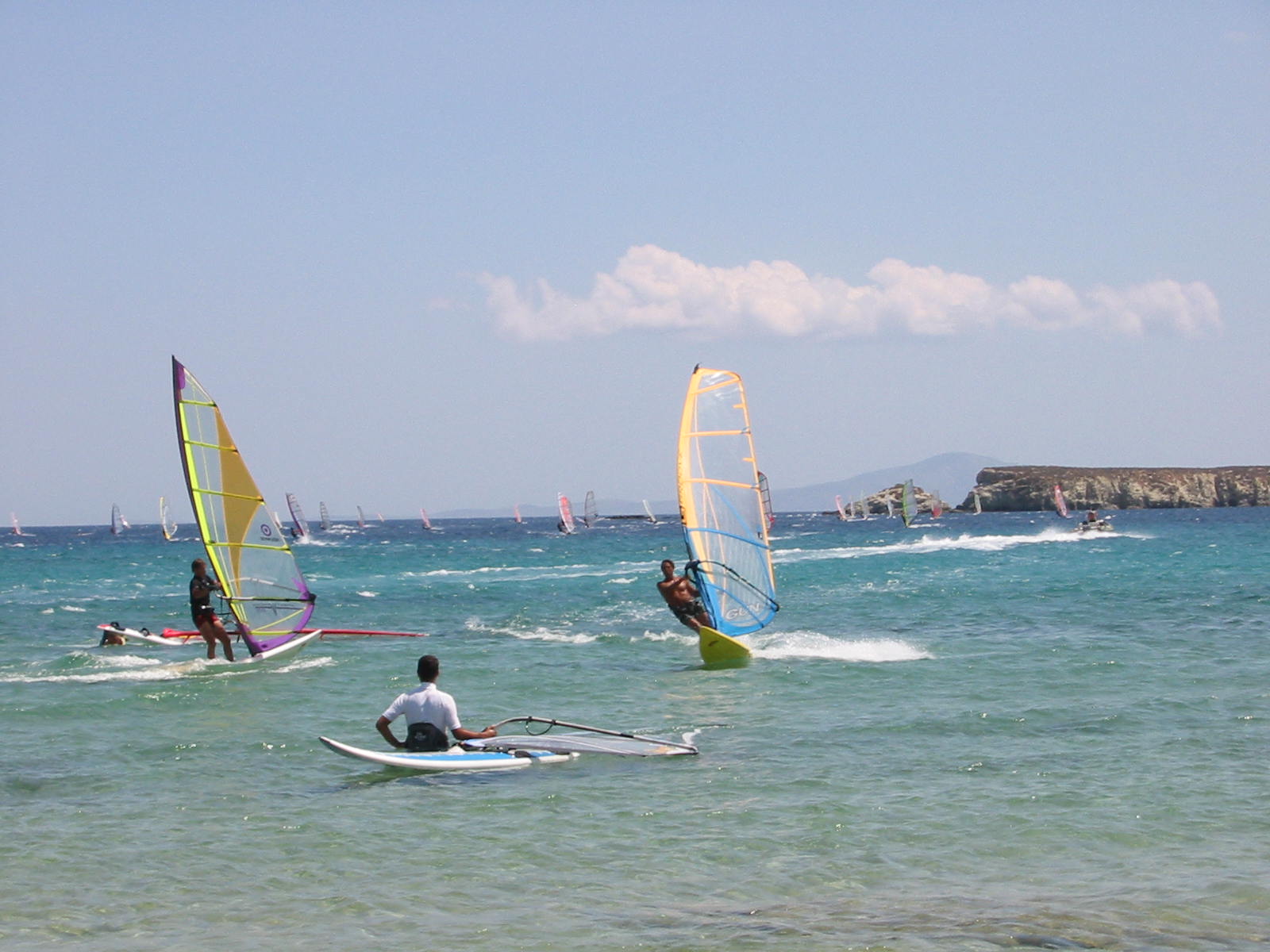
The best season runs from June to September, with the peak of beach life in July and August, when however the meltemi, the etesian wind that blows from the north across the Aegean, can grow intense and make the sea choppy on some exposed beaches, while still offering ideal conditions for wind sports enthusiasts. May and the second half of September offer a milder climate, lower prices and an even more relaxed pace of life, with the countryside in bloom or the vineyards ready for harvest. To really explore the area it is worth renting a car or scooter: the distance between the beach, the inland villages and the port of Aliki is short, but public transport links remain limited compared to the island's more touristy destinations.
FAQ
Come si raggiunge Dhrios?
Qual è il periodo migliore per visitare Dhrios?
Cosa vedere in un giorno tra Dhrios e dintorni?
È una zona adatta alle famiglie con bambini?
Ci sono collegamenti comodi con Antiparos?
Dove si può parcheggiare vicino alla spiaggia?
Getting there
- Aeroporto di Paros (PAS), circa 6 km da Dhrios, con voli nazionali soprattutto nella stagione estiva
- Aeroporto Internazionale di Atene (ATH), collegato a Paros con traghetto da Pireo o volo interno
- Dhrios si raggiunge percorrendo la strada litoranea che collega Parikia, il porto principale dell'isola, alla costa sudorientale: circa 15-20 minuti d'auto passando per Aliki.
- In luglio e agosto il meltemi può causare ritardi o cancellazioni dei traghetti: meglio prenotare i collegamenti marittimi con anticipo e prevedere un margine di un giorno prima di eventuali coincidenze.
Perfect for
Una delle spiagge più lunghe e regolari di Paros, con fondali bassi e pineta ombreggiata sul retro dell'arenile.
Pinete, coste basse e colline terrazzate che regalano passeggiate ed escursioni lontano dalla folla.
Villaggi d'altura come Lefkes e Marpissa, nati per sfuggire ai pirati, e le antiche cave di marmo di Marathi.
Louza, formaggi di capra acidulo, pesce fresco di Aliki e il distillato locale souma da assaggiare in taverna.
Un'alternativa tranquilla alla vita notturna di Naoussa, ideale per chi cerca ritmi lenti e autenticità cicladica.
To see