Ayia Anna
On the western coast of Naxos, where the blue of the Aegean seems to intensify to contrast with the gold of the sand, lies Ayia An...
Updated 7 July 2026
This season · July · Summer
What to do in Ayia Anna now
The story
The story of Ayia Anna
Historical roots between sea and land
The history of Ayia Anna is intrinsically linked to that of the entire island of Naxos, the largest of the Cyclades. Although today it is celebrated for its tourist vocation, for centuries this area was a strategic outpost for the surveillance of maritime routes. During the period of the Duchy of the Archipelago, founded by the Venetians in the thirteenth century, the coasts of Naxos were constantly threatened by pirate raids; for this reason, the main settlements arose inland, while the coast of Ayia Anna served as a technical port and fishing area. Only in relatively recent times, with the end of maritime threats and the development of coastal agriculture, the village has begun to develop around its small church. The identity of the place is therefore a mosaic of Byzantine and Latin influences, visible not in great palaces, but in land management and religious traditions that still animate the local community.
The Ayia Anna Chapel
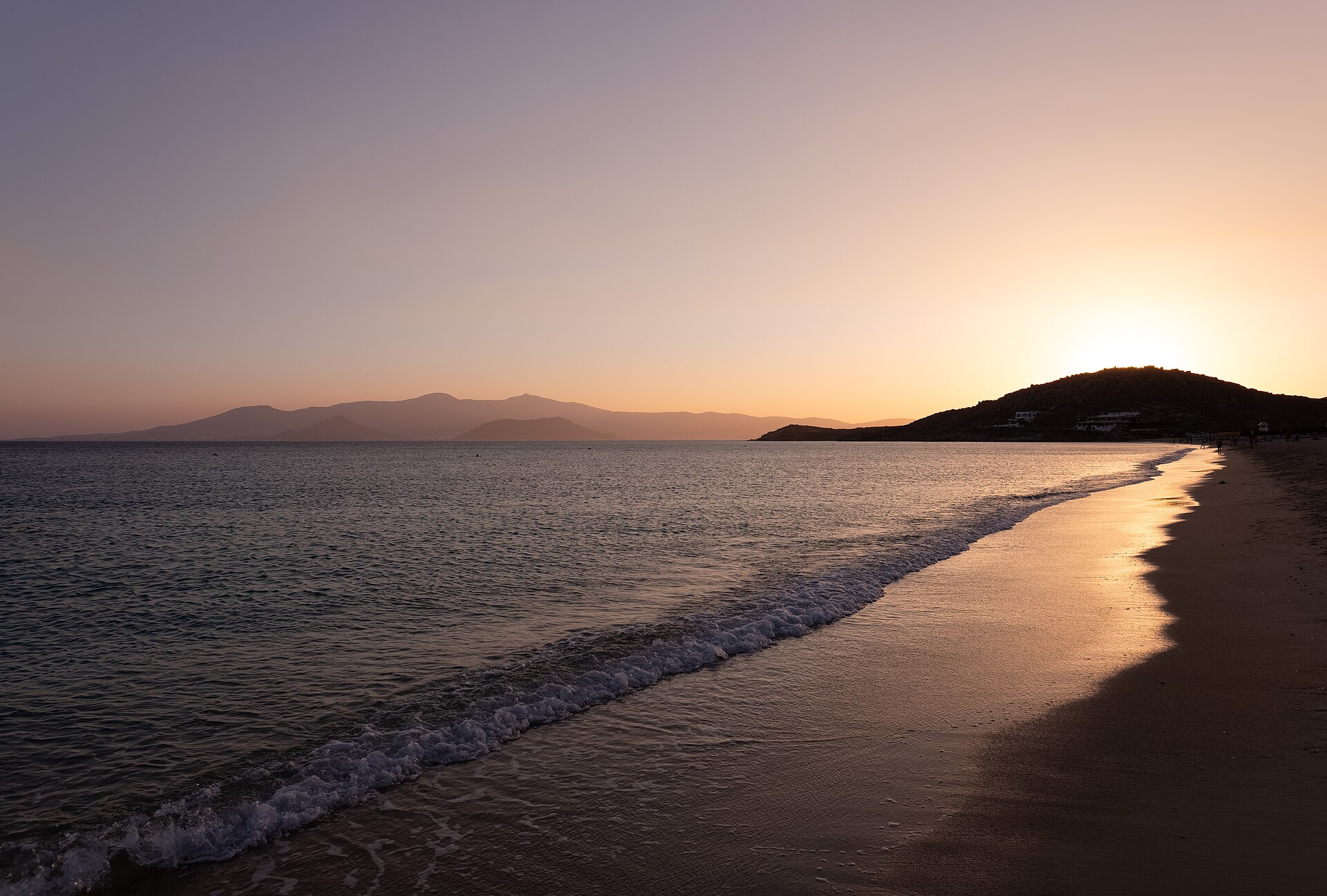
The spiritual heart and iconic symbol of the locality is the small chapel dedicated to Saint Anne, situated on a slight promontory overlooking the harbor. This structure, typically Cycladic with its whitewashed walls and a dome that reflects the azure sky, is not just an architectural monument, but the fulcrum of social life. Built to protect sailors and invoke good harvests, the church gives its name to the entire settlement. Every year, on July 25, one of the most felt festivals of the island takes place here, the Panigiri, where the sacrality of the liturgy merges with traditional dances and communal feasts. Its elevated position offers one of the best observation points for admiring the perfect curve of the bay and the contrast between the turquoise waters and the surrounding vegetation.
The grove of centuries-old cedars
One of the rarest and most fascinating natural elements of Ayia Anna is the presence of a coastal forest of cedars (Juniperus macrocarpa). These trees, with gnarled roots that sink directly into golden sand, create an almost surreal landscape, offering natural shade just meters from the shoreline. This is not simple vegetation, but a protected ecosystem of great botanical value. Some specimens are hundreds of years old and their twisted forms, molded by the Meltemi (the summer wind of the Aegean), are true natural sculptures. Walking among these silent giants gives a sensation of deep peace and allows you to understand the importance of environmental conservation in a context of strong tourist influx.
The harbor and the life of fishermen
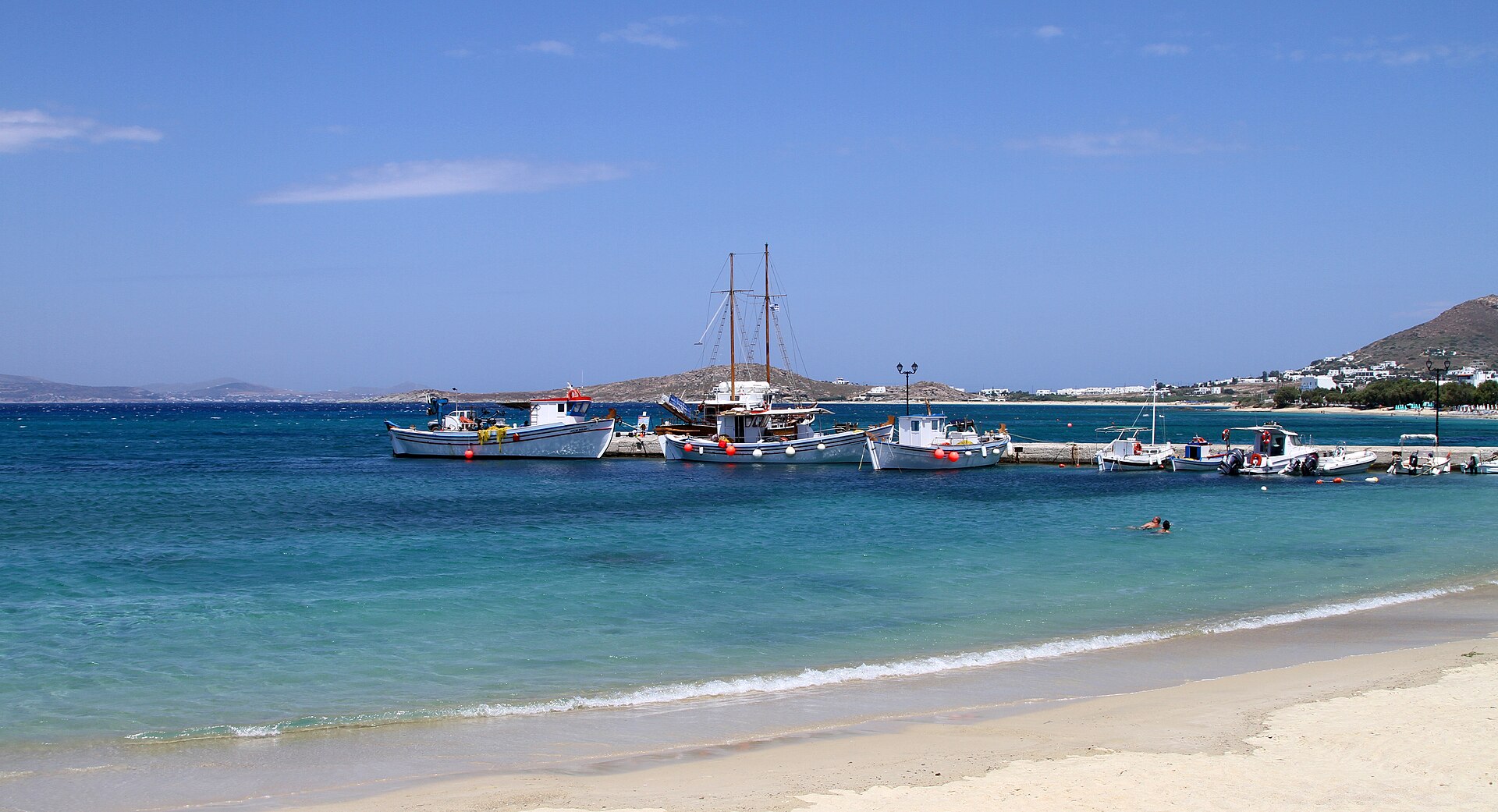
Despite the expansion of services, the small pier of Ayia Anna remains the pulsing center of daily activity. Here you can still observe the 'kaikia', the typical wooden boats painted in vivid colors, returning at dawn loaded with fresh fish. This corner of the locality preserves the atmosphere of Naxos from fifty years ago. The pier also serves as a departure point for small boats that take visitors to discover isolated coves or to nearby Lesser Cyclades. Watching fishermen repair nets under the sun is an experience that reconnects the traveler with the human and arduous dimension of island life, a necessary counterpoint to the lightness of beach holidays.
The beach and rock formations
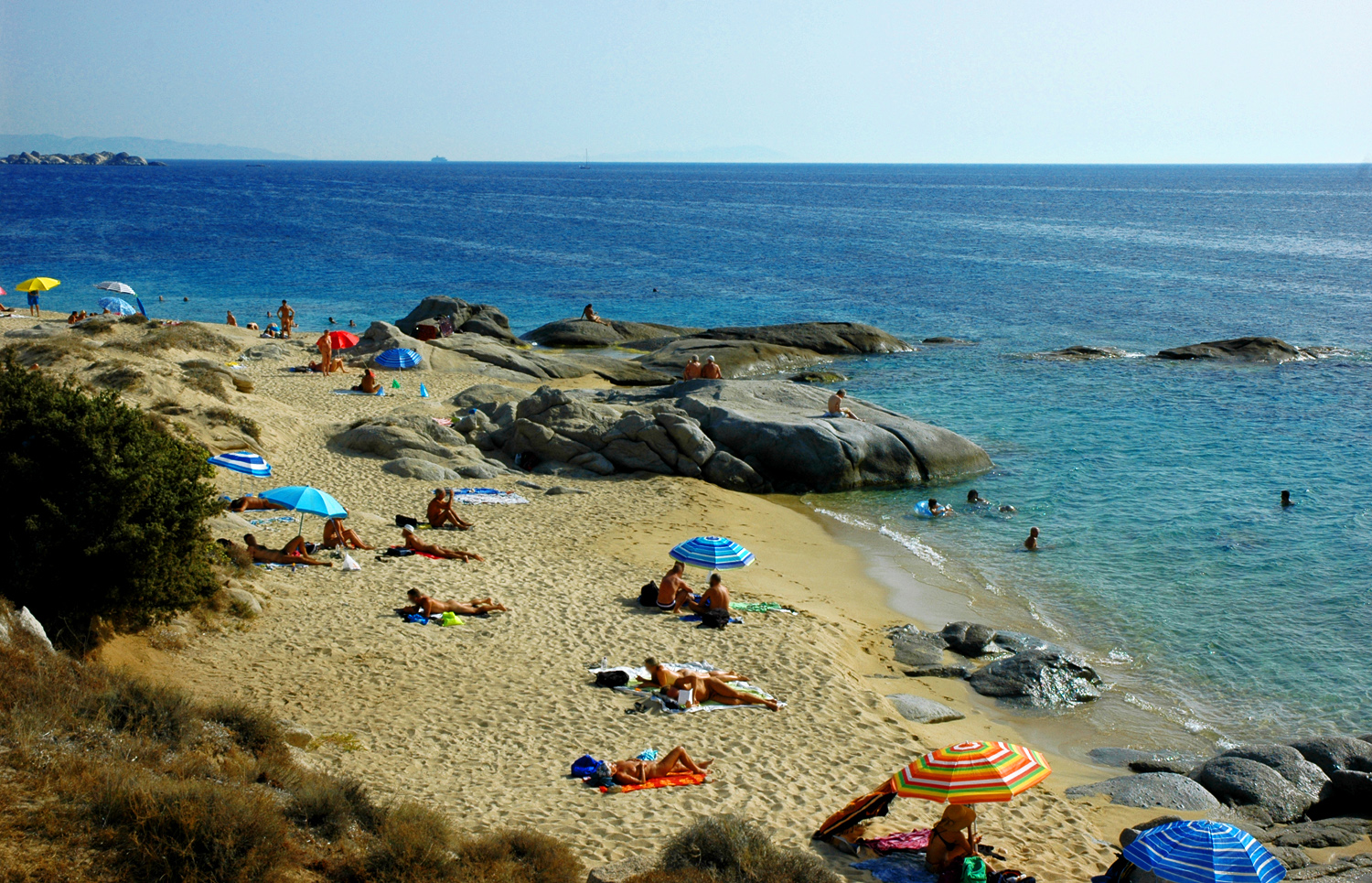
The beach of Ayia Anna is a natural continuation of that of Agios Prokopios, but possesses characteristics of its own that make it unique. The sand is fine and heavy, an ochre color that doesn't stick to the skin, while the seabed slopes gently, making it ideal for long swims. A detail that intrigues many visitors is a rock formation located at the tip of the bay that, shaped by erosion, resembles the silhouette of a shark. These granite rocks, smoothed by water and wind, create small natural pools and sheltered corners, perfect for those seeking some privacy from the more equipped stretches of the main beach.
Surroundings: Agios Prokopios and Plaka
Ayia Anna is in a strategic position, acting as a hinge between two other pearls of the Naxian coast. To the north extends Agios Prokopios, famous for its crystal-clear waters that recall those of the Caribbean; to the south, meanwhile, the endless expanse of Plaka begins, one of the longest beaches in the Aegean, characterized by high sand dunes and a wilder atmosphere. Moving between these locations is extremely simple, even on foot along the coast, allowing you to change scenery in just a few minutes: from the vibrancy of Ayia Anna's beach bars to the contemplative solitude of the more remote areas of Plaka. This sandy continuity represents one of the most spectacular coastlines in the entire Mediterranean.
Flavors and gastronomic traditions
The cuisine at Ayia Anna benefits from the extraordinary agricultural wealth of Naxos, the most fertile island of the Cyclades. In the taverns overlooking the beach, it is a must to taste the celebrated potatoes of Naxos (PDO product), renowned for their sweet flavor due to the sandy and potassium-rich soils. There are also local cheeses, such as Graviera Naxou or the spicy Kopanisti, often served together with the freshest fish caught just miles from the coast. A typical meal often concludes with a glass of Kitron, the local liqueur obtained from the leaves of a particular citrus fruit similar to citron, which is grown in the island's interior valleys. Gastronomy here is not simply a service for tourists, but a proud manifesto of the region's agricultural and maritime culture.
Experiences not to be missed
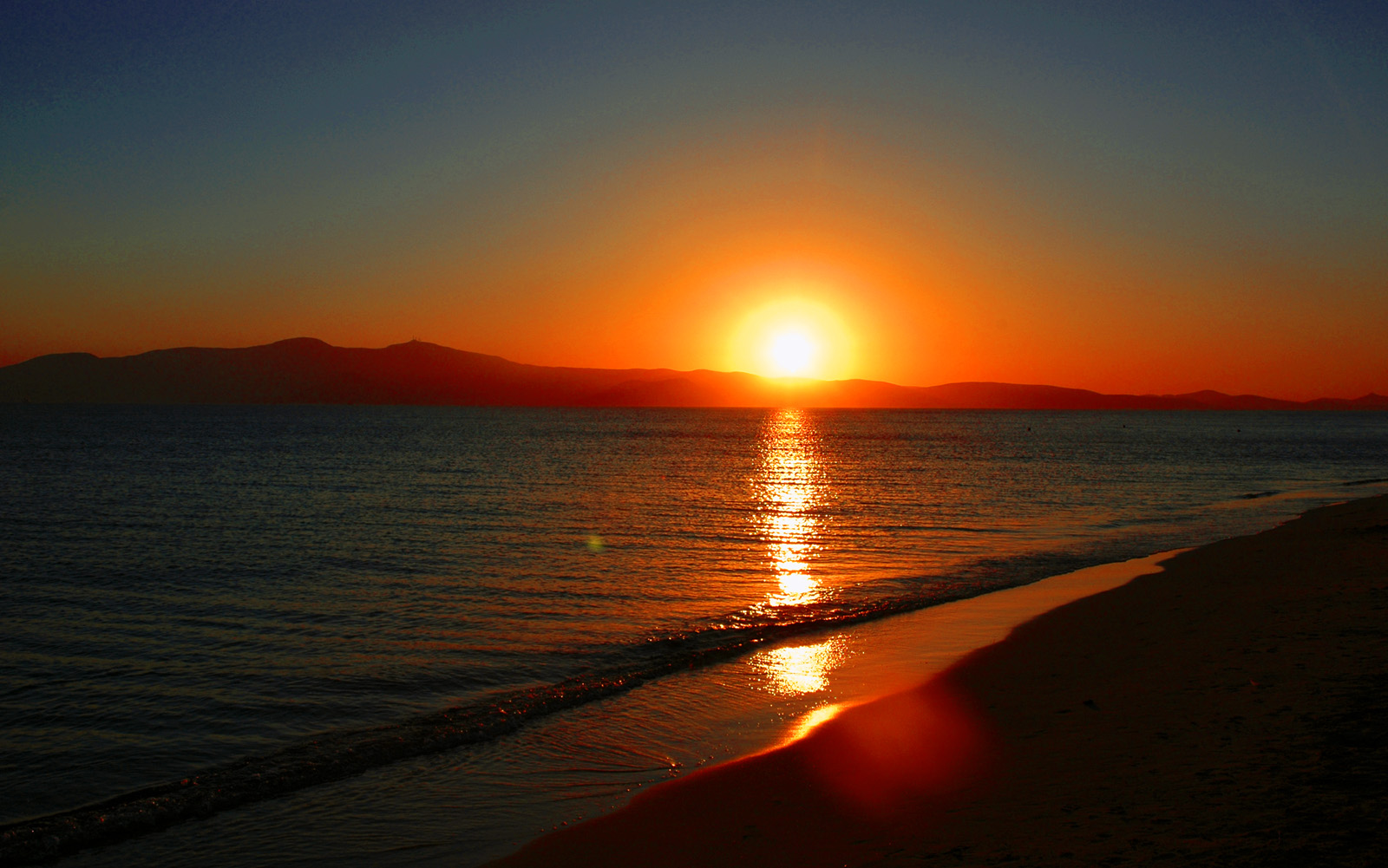
- Aperitif at sunset: enjoy the sunset behind the silhouette of Paros from one of the beachfront venues.
- Walk through the cedar grove: explore the natural trails that line the dunes to admire the native flora.
- Boat excursion: depart from the pier for a day tour towards the sea caves and islands of Koufonissi.
- Dinner by the sea: taste stuffed squid or 'salatouri' (fish salad) with your feet almost in the water.
- Visit to the chapel: enter the small temple to observe the icons and breathe the atmosphere of local devotion.
When to visit and how to live the village
The best time to visit Ayia Anna is from late May to early October. During the months of July and August, the locality is vibrant and cosmopolitan, perfect for those who love sociability and complete services. However, it is in the months of June and September that Ayia Anna reveals its most authentic beauty: temperatures are mild, the light is extraordinarily sharp and the beaches are less crowded, allowing you to fully enjoy the silence of the cedar grove. To experience the place as a local, the advice is to visit the pier early in the morning, when the fishermen arrive, and to dedicate the hottest hours to reading in the shade of the junipers, letting yourself be lulled by the rhythmic sound of the surf.
FAQ
La spiaggia di Ayia Anna è adatta ai bambini?
Come si raggiunge Ayia Anna dalla Chora (Naxos Town)?
È facile trovare parcheggio?
Ci sono strutture per sport acquatici?
Getting there
- Aeroporto Nazionale di Naxos (JNX) - 3 km
- Non presenti sull'isola
- Dalla Chora di Naxos seguire le indicazioni per Agios Prokopios/Agia Anna lungo la strada costiera asfaltata.
- In estate il bus è il mezzo più comodo ed economico per evitare problemi di parcheggio.
Perfect for
Perfetta per chi cerca spiagge dorate con acque cristalline e servizi di alto livello.
Un paradiso per gli amanti della cucina km zero, tra pesce freschissimo e prodotti della terra naxiota.
L'atmosfera del borgo, specialmente fuori stagione, invita alla lentezza e alla deconnessione.
To see